Researched 2026-10-23 · Content refresh or comparison
Tensile, Tear and Bursting Tests: Which Fabric Evidence Fits the Order?
A supplier's statement that a fabric passed a strength test leaves an important question unanswered: which test? Buyers sourcing rugby jerseys, Gaelic teamwear or American football panels need to distinguish tensile, tear and bursting evidence before comparing fabric proposals.
Quick Answer
What Should Sportswear fabric testing Buyers Know?
Specify the failure question before selecting a fabric test. Tensile testing measures force and extension under a defined pulling method; tear testing addresses tearing; bursting testing uses pressure and records bursting behaviour. Ask the laboratory to match the method to the construction, then agree acceptance criteria for that exact material.
Sportswear fabric testing research
Tensile: identify the pulling method and material scope
ISO 13934-1:2013 describes a strip method for maximum force and elongation at maximum force. Its public scope is mainly for woven fabrics, including certain stretch constructions, while noting exclusions such as coated fabrics and nonwovens in normal application. The listing was confirmed in 2024 and remains current when checked on 23 October 2026.
For a buyer, the practical distinction is between the measured force and the associated extension. Neither field should disappear behind a single word such as strong. Ask the laboratory whether the proposed method applies to the submitted fabric, particularly where a panel is coated, laminated or structurally different from the main body.
Sportswear fabric testing research
Tear: name the specific procedure rather than a generic score
ISO 13937-2:2000 identifies a single-tear method using trouser-shaped test specimens. The public ISO listing records confirmation in 2023. The specimen name describes the laboratory test shape; it does not mean the method is a finished-trouser approval or an instruction to pull apart a completed garment.
Keep this method reference separate from the strip tensile reference. A quotation offering a tear result has not automatically supplied the tensile result the buyer requested. Ask for the complete report and let the laboratory explain the applicable procedure and material limitations before agreeing to substitute one test for another.
Sportswear fabric testing research
Bursting: pressure and distension answer another question
ISO 13938-2:2019 describes pneumatic testing for bursting strength and bursting distension. Its published scope includes knitted, woven, nonwoven and laminated fabrics, with conditioned or wet specimens. ISO lists the method as confirmed in 2025. These scope details were checked on 23 October 2026, not inferred from a supplier's marketing sheet.
Record whether the requested test is pneumatic and whether the specimen is conditioned or wet. Do not silently replace that brief with a differently prepared result. A broad material scope also does not mean every fabric in a mixed-panel garment has been tested: the report still needs to identify what was actually submitted.
Sportswear fabric testing research
Build the request around the garment's material map
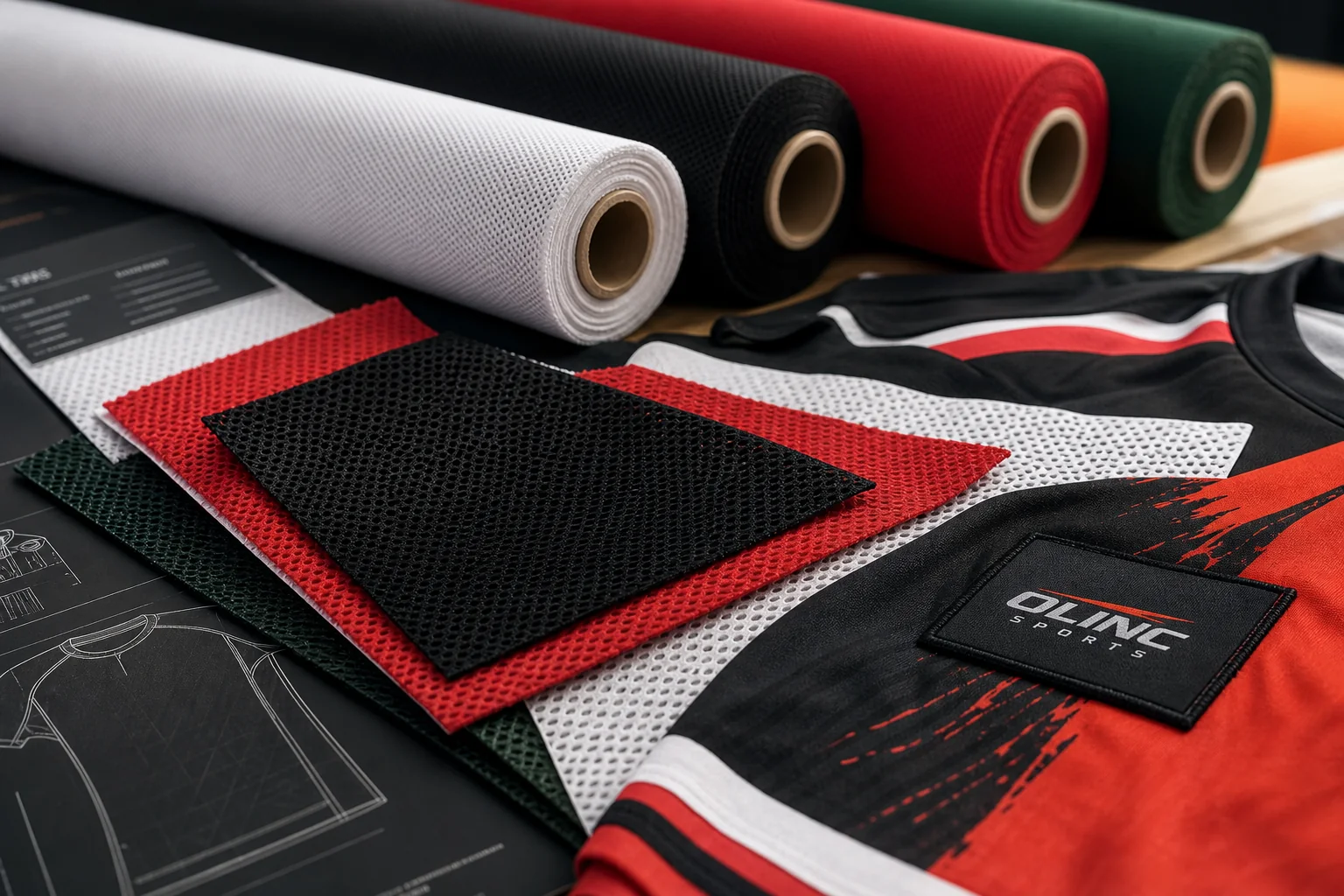
The following steps are proposed purchasing controls, not instructions taken from the ISO standards. Start with a drawing that separates the main jersey body, ventilation mesh, stretch inserts, collar and any reinforcement. Give each distinct material a reference that can be matched to the bill of materials. Ask the supplier to identify which report covers each reference and where there is no evidence yet.
For a rugby or Gaelic jersey, do not allow a report for the main fabric to become an unqualified approval of a different underarm mesh. For an American football uniform, keep the jersey and pant material records separate when their constructions differ. If several panels genuinely use the same tested material, record that relationship explicitly rather than ordering unnecessary duplicate tests.
Sportswear fabric testing research
Compare like-for-like evidence before comparing the price
Use a comparison sheet with fields for supplier, fabric reference, colour or finish, production lot where available, test method and edition, specimen condition, result, units and report date. Add a field for any departure the laboratory reports. This prevents a purchasing team from copying a number into a spreadsheet after losing the conditions that give it meaning.
Mark unmatched results as not directly comparable instead of declaring a winner. Two numbers expressed differently are not a single ranking of garment durability. If the supplier proposes another method, ask the laboratory for a reasoned comparison or a new test plan. Keep the extra test cost and sample quantity visible in the quotation so the decision is made before production authority is issued.
Sportswear fabric testing research
Agree what a pass means for this order
Write the acceptance criterion beside each requested result and name the person authorised to approve it. A method tells the laboratory how to conduct a defined test; the buyer still needs an order-specific acceptance decision. This guide deliberately does not invent a universal minimum for all rugby, Gaelic or football garments. Ask the supplier and qualified laboratory to propose suitable criteria for review.
State how an unresolved or below-target result will be handled. Options to discuss include changing the material, revising the construction, submitting a new specimen or holding that component's approval. Do not change the acceptance threshold after seeing an inconvenient result without recording the reason and obtaining the buyer's approval. Retain both the original report and the revised decision.
Sportswear fabric testing research
Connect the report to the sample and the quotation
Attach the selected material references to the approved garment sample record. Record the artwork revision and any finishing step applied before the sample was made. If the supplier proposes a replacement fabric after approval, request a comparison against the original material brief rather than accepting matching colour and fabric weight as sufficient evidence. Decide which tests and sample checks need repeating.
Send Olinc the intended sport and use, garment list, material map, quantities, destination and required arrival date through the email or WhatsApp quote route. Include the requested laboratory methods and identify which criteria need technical discussion. Ask for sample and testing milestones to be included in the proposed schedule. This gives purchasing a defined next step without pretending that a fabric result guarantees the performance of every finished garment.
Buyer checklist
Turn The Research Into A Quote Brief.
01
02
03
Buyer FAQs
Questions To Resolve Before Production.
Can a bursting result replace a tensile result?
Not automatically. They describe different testing questions. Ask the laboratory to confirm the suitable method for the material and buyer requirement, and record any agreed change before comparing results.
Does a trouser-shaped tear specimen approve finished trousers?
No. That phrase identifies a laboratory specimen shape in the named method. The buyer still needs a separate approval record for the proposed trouser construction and fit.
Must every sportswear fabric pass all three tests?
Do not order a fixed test bundle without a reason. Map the materials and intended use first, then ask a qualified laboratory which methods are suitable. Agree the required evidence and acceptance criteria before releasing the order.
Research record
Sources Checked On 2026-10-23.
Dates, rules, schedules and technical statements can change. Open the cited first-party source before using a time-sensitive detail for travel, competition or purchasing decisions.
- ISO 13934-1:2013 — Strip tensile method — International Organization for Standardization (official; accessed 2026-10-23).
- ISO 13937-2:2000 — Single tear method — International Organization for Standardization (official; accessed 2026-10-23).
- ISO 13938-2:2019 — Pneumatic bursting method — International Organization for Standardization (official; accessed 2026-10-23).