Custom club kits: embroidery, sublimation, private labels. Request a sample pack.
Home / Shop / Basketball / 220 GSM Retro Tackle-Twill Basketball Uniform

Basketball / Quote Product

220 GSM Retro Tackle-Twill Basketball Uniform

OS-BBU-220-03

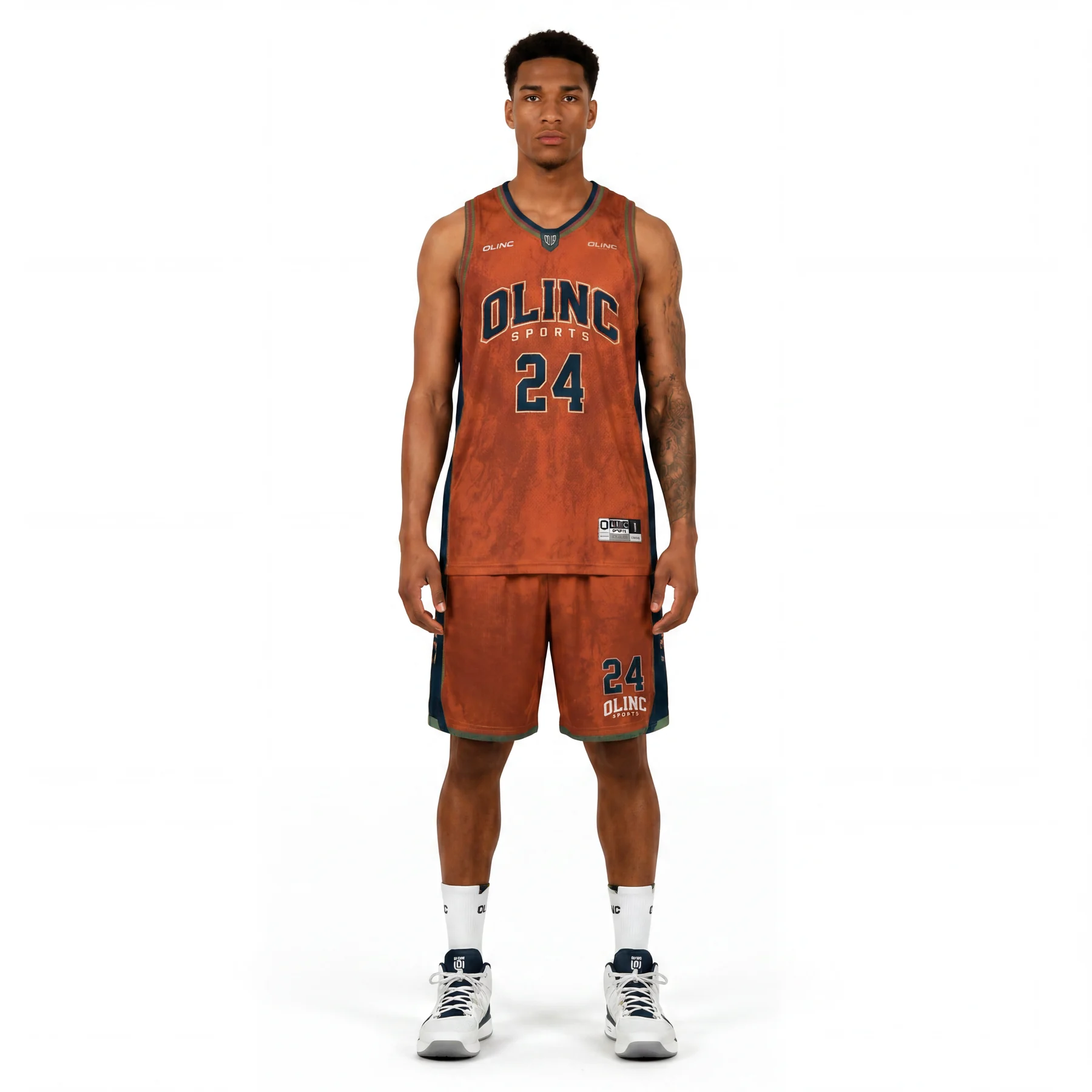
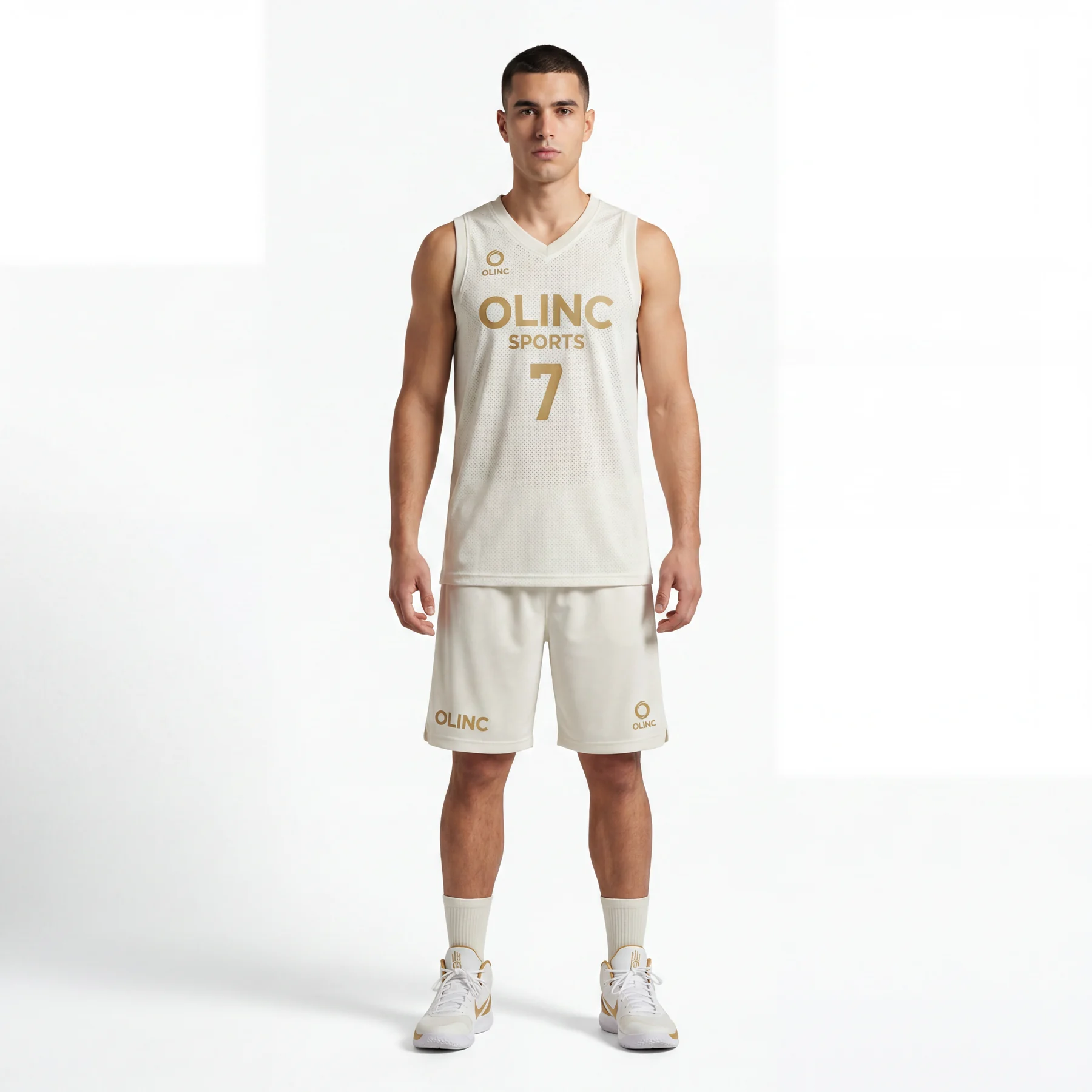
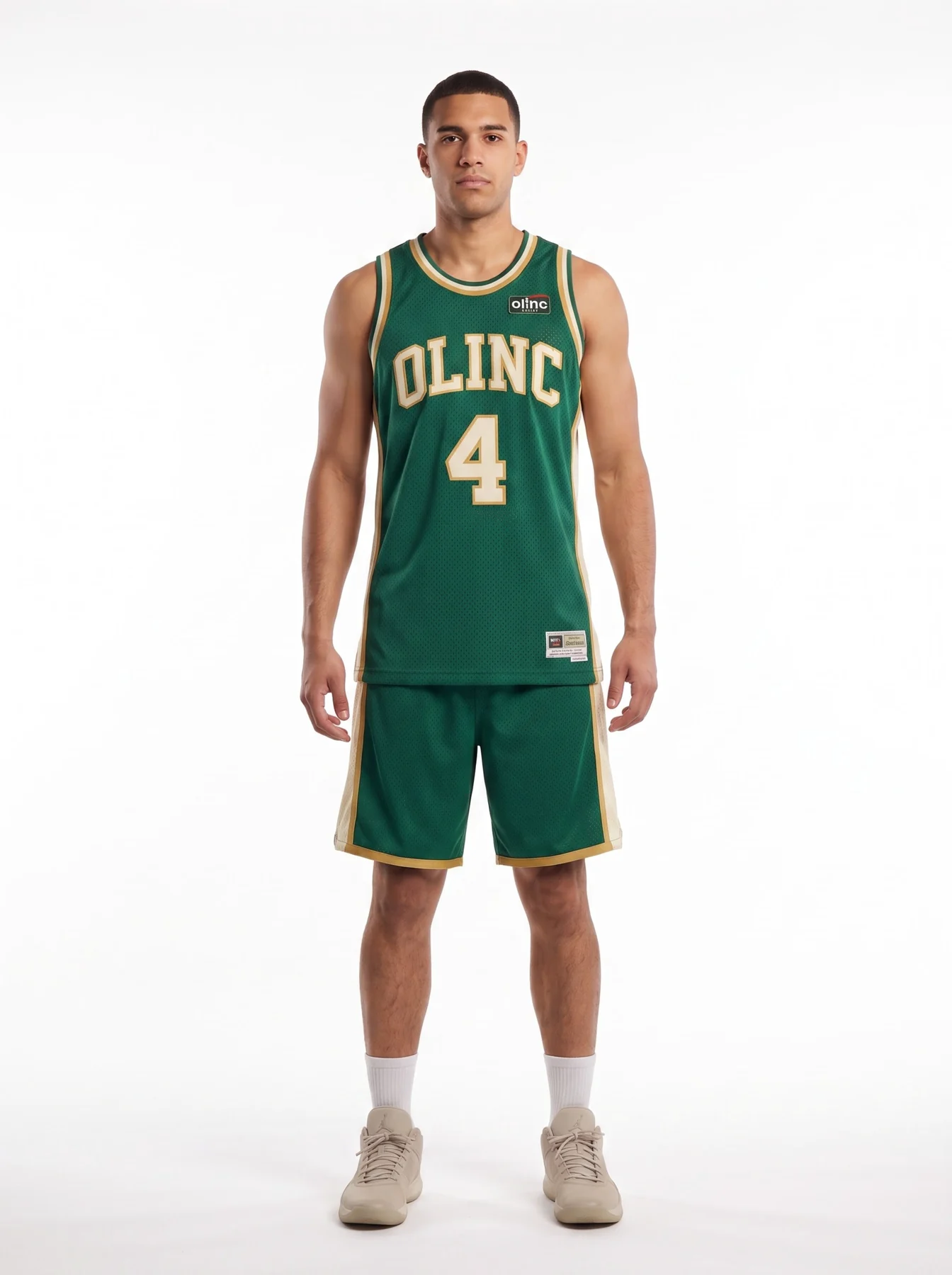
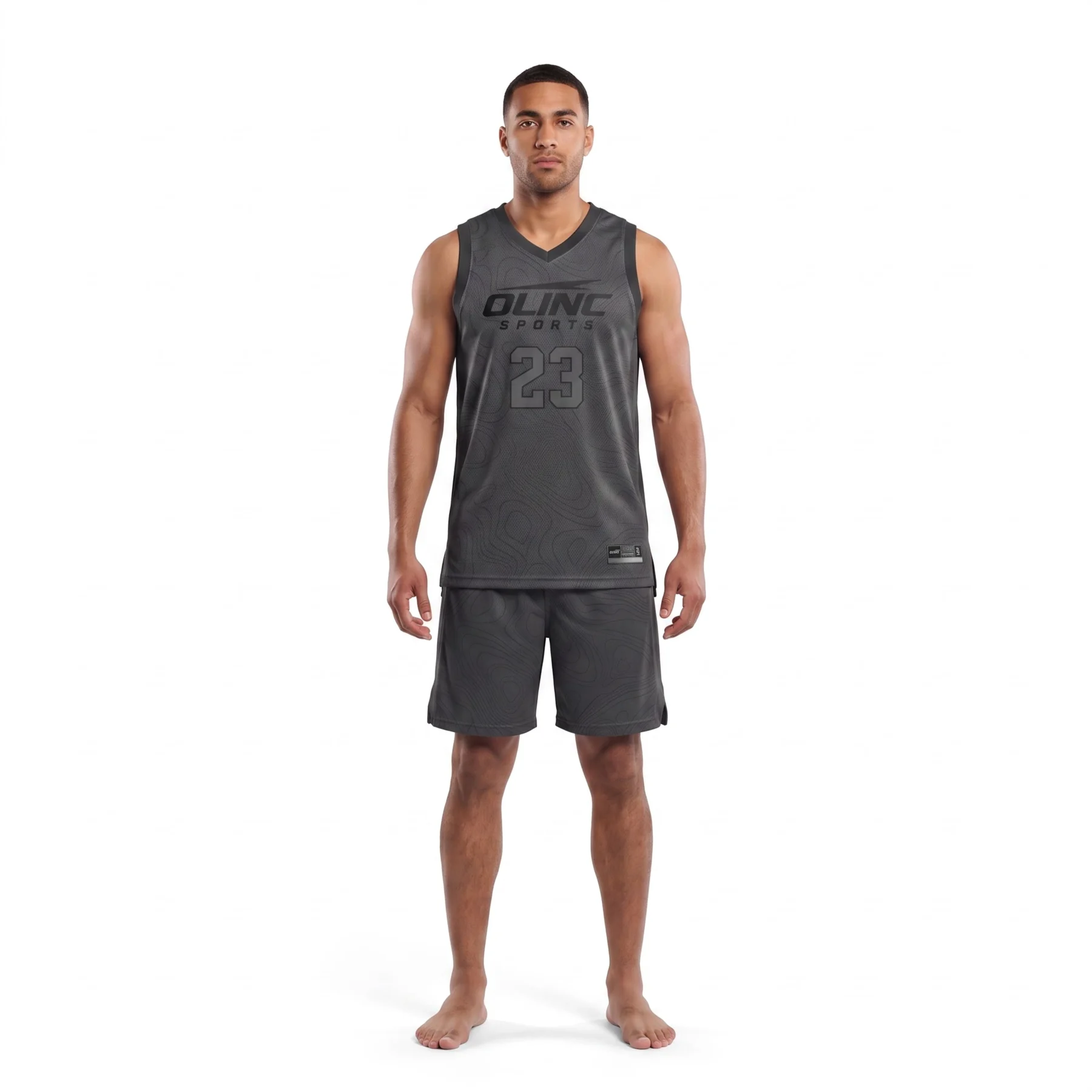
This retro basketball set uses 220 GSM double-knit polyester mesh, a shorter fitted jersey, wide rib armhole binding, and above-knee shorts. The artwork route replaces sublimation with layered tackle twill, zigzag stitching, and woven patches that buyers can approve by size and placement.

Quote-Based Custom Branding Sample Route
MOQ Guide
Discuss from 50 pcs
Branding
Three-layer tackle twill, woven patches, embroidery
Production Brief
Quantity, artwork, sizes, packing, destination
Request Product Quote

Buyer Brief

What To Send For This Product

01

Retro Measurements

Send jersey length, chest, armhole binding width, shorts rise, inseam, leg opening, waistband, and quantities by size.

02

Physical Artwork

Provide tackle-twill layers, number roster, wordmarks, patch files, embroidery details, thread colors, and exact placements.

03

Heritage Packing

Define player set packing, labels, hang tags, protective interleaving, polybags, carton sorting, destination, and launch date.

Product Detail

220 GSM Retro Tackle-Twill Basketball Uniform Manufacturing Notes

Olinc Sports quotes this 1980s-inspired basketball uniform as a jersey-and-shorts set for clubs, heritage collections, retailers, and private-label buyers. The source brief specifies 220 GSM double-knit polyester mesh, a trim non-compression jersey with a shorter body, wide rib armhole bindings, shorts with an above-knee inseam, elastic tunnel waistband, internal drawcord, three-layer tackle-twill letters and numbers, woven patches, flatlock seams, and double-needle hems. The route intentionally uses no sublimation.

The 220 GSM double-knit mesh and physical appliqué create a heavier heritage handfeel than a modern lightweight sublimated uniform.

A retro silhouette still needs the buyer's actual body length, chest, armhole, shorts rise, inseam, and leg-opening measurements before grading.

Three-layer tackle twill requires separate color layers, finished sizes, edge stitch, placement, and backing details for each name, number, and wordmark.

Woven patches can be developed for chest, hem, or shorts positions, with border, fold, backing, attachment, and serialized data defined in the artwork pack.

Specs

What The Quote Should Define

Set Contents
Retro-cut basketball jersey and matching shorts
Fabric
220 GSM double-knit polyester mesh
Jersey Proportion
Trim chest, shorter body direction, and approximately 1.5-inch rib armhole binding
Shorts Proportion
Above-knee vintage direction with buyer-approved inseam, rise, and leg opening
Waist
Approximately 1.5-inch elastic tunnel with internal braided drawcord
Decoration
No sublimation; three-layer tackle twill, zigzag stitching, embroidery, and woven patches
MOQ Guide
Discuss from 50 sets using the first workbook quantity break
Production Schedule
Lead time is set after mesh, rib, pattern, twill layers, patches, and sample approval

Planning Links

Buyer FAQ

220 GSM Retro Tackle-Twill Basketball Uniform Quote Questions

Does this retro basketball uniform use sublimation?

No. The source route specifies physical three-layer tackle twill, zigzag stitching, woven patches, and embroidery on the 220 GSM mesh base.

Can the 1980s proportions be adjusted?

Yes. Send the target jersey length, chest, armhole, shorts rise, inseam, leg opening, and a reference garment if the collection needs a particular era or fit.

What artwork is needed for tackle twill?

Supply each color layer separately with final width and height, edge stitch, thread color, placement, number list, and any player-name variation.

Can woven patches be private labeled?

Yes. Define patch shape, dimensions, border, yarn colors, backing, attachment, placement, and whether serialized or size-specific data is required.

What affects the sample and production schedule?

Mesh and rib sourcing, pattern approval, layered appliqué, patch development, roster accuracy, labels, quantity, packing, and destination affect timing.