Researched 2026-09-05 · American football colour and material approval
Can One Pantone Code Control Every Color On A Football Uniform?
A colour code is a target, not proof that mesh, stretch fabric, rib, sublimated artwork and trim will look identical. Buyers need material-specific standards, controlled viewing and a signed garment sample.
Quick Answer
What Should American football Buyers Know?
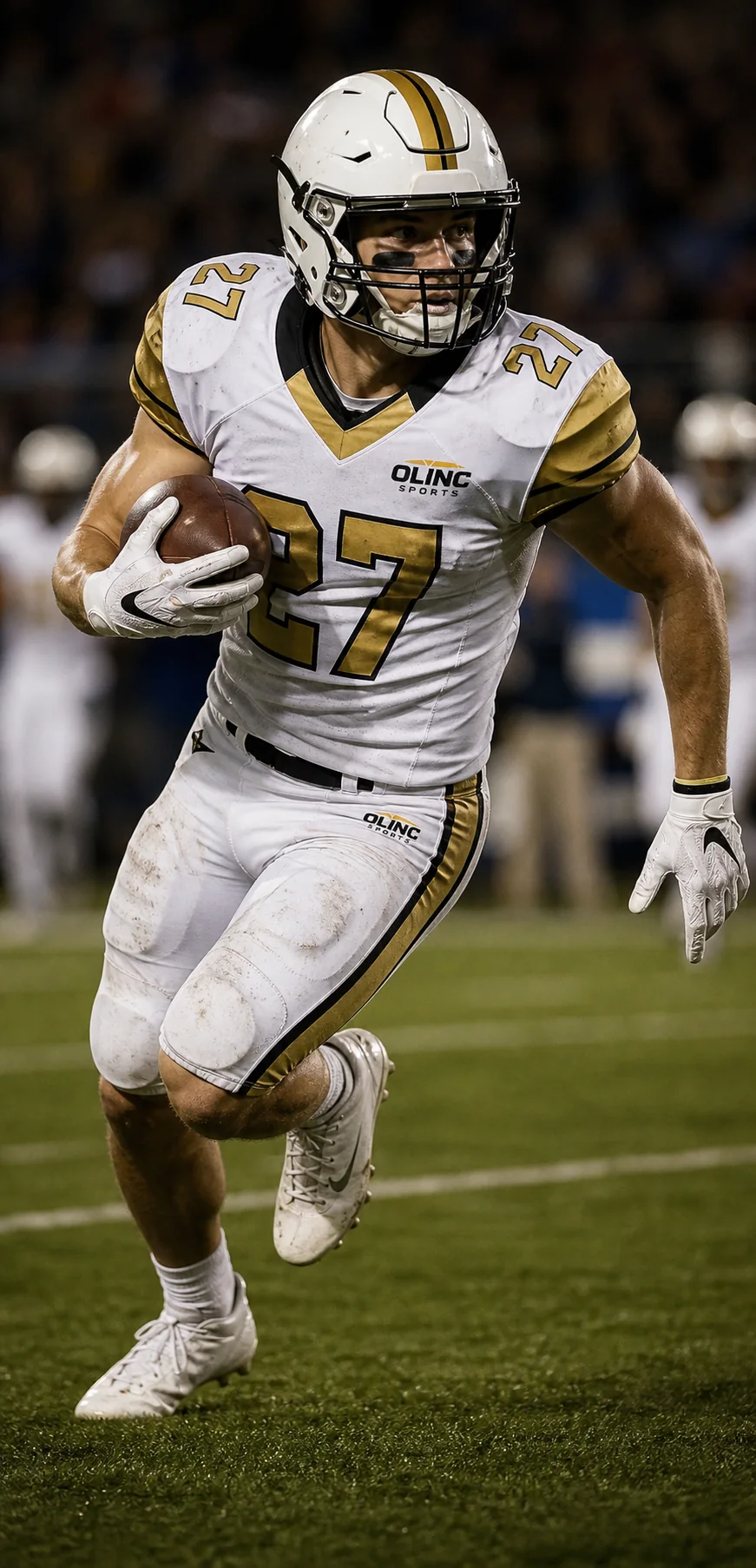
One Pantone or brand colour reference cannot by itself control every visible colour on an American football uniform. A tackle jersey can combine open mesh, dense stretch panels, rib, thread, heat-applied or sublimated marks and coordinating pants. Fibre, knit structure, surface texture, sheen, opacity, dye or print route and the colour underneath can change the visual result. Current NCAA football rules make the complete uniform outcome important: the official NCAA rules page provides the current rule book and uniform diagram, and Rule 1 requires team jerseys to meet design, colour, numeral and pad-coverage controls. Colour approval therefore needs two linked records. First, define a material-specific target and measurement method. ISO 105-J01:1997 gives general principles for measuring textile surface colour, while ISO 105-J03:2009 calculates colour difference between specimens of the same material measured under the same conditions and permits an agreed maximum tolerance. Second, approve the assembled jersey and pants under agreed viewing conditions, on the intended pad profile, with all printed, sewn and heat-applied components present. Colour matching and colour fastness are separate decisions. ISO 105-C06:2010 covers resistance to domestic or commercial laundering with stated reference-detergent procedures, and ISO 105-E04:2013 covers resistance to perspiration. A buyer should release a colour matrix by style, material, panel and process; identify the approved physical or measured standard; state tolerance and fastness requirements; and retain a signed sample for bulk inspection and reorders.
American football research
Start With The Competition Uniform, Not A Screen Swatch
Open the colour brief by naming the competition, age group, home and away roles, jersey style, pants style and intended first wear date. The NCAA football rules page reviewed on 5 September 2026 links the official rule book and a dedicated uniform diagram. Rule 1 of the linked book controls jersey design, colour and numerals and requires the jersey to cover the shoulder pads, cover pads worn at or above the waist and remain full length. Those requirements make the worn garment the approval object. A digital colour square cannot show whether a number remains clear across a curved padded torso or whether a sleeve panel changes appearance over the pad edge.
A school, club or distributor must obtain the rules for its actual league rather than treating NCAA wording as a universal football specification. Record the authority and rule edition in the artwork file. Separate the primary and change uniform. Name the base colour, number colour, outline, trim and every permitted mark. If pants, socks or visible underlayers must coordinate, give them distinct style and colour rows instead of writing match jersey.
Use the rules to define the visual decision, then use production evidence to control it. The factory cannot infer a competition-compliant result from a Pantone number, reference photograph or old jersey. State who approves the rule interpretation, who approves brand colour, who signs the sample and what happens when those approvals conflict. This keeps a colour correction from becoming an uncontrolled artwork or delivery change.
Evidence: National Collegiate Athletic Association · National Collegiate Athletic Association
American football research
Build A Colour Matrix For Every Material And Process
List the visible components before asking for a match: main jersey body, shoulder and side stretch panels, ventilation mesh, collar rib, cuff, binding, thread, number, name, crest, sponsor mark, pants body, inserts, elastic, belt or lace and labels. Give each component a material article, fibre statement, construction, weight or other relevant specification, surface description, colour process and target. A woven rib and an open athletic mesh should not share one unqualified approval row simply because both are called navy.
Separate dyed material, sublimated print, screen print, transfer, embroidery and sewn appliqué. A colour value printed into white polyester is produced differently from a dyed nylon-spandex panel or a coloured thread. Surface holes, gloss and pile can alter the observed result. A white backing, dark base or adhesive layer can also affect opacity and edge appearance. The matrix should state whether the component must match a physical standard, an instrument value, an approved strike-off or the signed garment sample.
For Olinc's current American football routes, this is a practical range decision. The 280 GSM set pairs a nylon-spandex stretch direction with polyester athletic mesh; the asymmetric route combines 170 GSM mesh with 220 GSM nylon-spandex zones; and the retro route uses a polyester-spandex body with separate compression panels. These product descriptions are starting specifications, not a promise that unlike materials will return identical colour. Quote and sample each chosen construction as its own controlled style.
American football research
Define Measurement Before Writing A Colour Tolerance
ISO 105-J01:1997 sets general principles for measuring the surface colour of textiles. ISO reports that this edition was reviewed and confirmed in 2024. A buyer using instrumental colour data should identify the specimen preparation, instrument geometry, illuminant, observer, aperture, backing, number and location of readings, orientation and conditioning agreed with the laboratory or supplier. Without those conditions, two numbers may describe different measurement setups rather than a real production change.
ISO 105-J03:2009 calculates colour difference between two specimens of the same material measured under the same conditions. Its public abstract states that the total difference can be expressed as Delta E CMC and that a maximum tolerance can be specified according to the closeness of match needed for the end use. The important scope words are same material and same conditions. Do not use one numerical tolerance to pretend that smooth rib, glossy stretch knit and open mesh present colour in the same way.
Set the commercial decision before production: which standard is the reference, which readings are recorded, what tolerance applies to each comparable material, and who can accept a marginal result. Add a visual review under named lighting because instrument data does not show every effect of gloss, texture, mesh openness, print registration or a curved padded surface. Keep the physical reference protected, dated and identified so the bulk inspector and reorder team use the same target.
Evidence: International Organization for Standardization · International Organization for Standardization
American football research
Keep Colour Match Separate From Colour Fastness
An approved first shade does not show how the colour will behave in use. Colour matching asks how close a specimen is to its reference at a defined point. Colour fastness asks how the textile resists a stated exposure and whether it changes colour or stains another material. Put these in separate approval rows, with separate methods, specimens, cycles or exposure conditions, results and acceptance criteria.
ISO 105-C06:2010 specifies methods for determining textile colour resistance to domestic or commercial laundering with reference-detergent procedures. ISO states that one single test closely approximates one domestic or commercial laundering, while a multiple test can in some cases approximate up to five launderings at temperatures not exceeding 70 degrees Celsius; the multiple tests are more severe because mechanical action is increased. The summary also states that the methods do not reflect optical brighteners in commercial washing products. A report must therefore name the actual procedure rather than say wash fastness passed.
ISO 105-E04:2013 specifies a method for resistance of textile colour to human perspiration. For a football uniform, select evidence by risk and intended claim. Dark mesh beside a light compression panel, a coloured collar against a white body and a printed number over a saturated base may deserve separate attention. The standards do not set one universal Olinc or football pass grade on their public pages. The buyer must state the acceptance values and market requirements before testing.
Evidence: International Organization for Standardization · International Organization for Standardization
American football research
Approve The Complete Jersey And Pants On A Padded Sample
Make the colour sample production representative. Use the intended material articles, print profile, inks or dyes, transfers, embroidery thread, appliqué, rib, binding and sewing thread. Include the full front and back numbers at production size. A small lab dip or print strike-off is useful for an early decision but cannot show the assembled boundary where two surfaces meet or how artwork reads across seams and curvature.
Review the jersey over the defined shoulder-pad model or measured pad profile. Photograph front, back, shoulders and sides under the agreed viewing setup. Check primary and change jerseys separately for base and numeral distinction, then inspect the coordination between jersey and pants. Record whether each panel is accepted as a close material match, an intentional tonal contrast or a different finish. Do not let a bulk inspector reject an approved sheen difference or accept an accidental shade split because the brief merely says same red.
Sign the sample with style code, size, material codes, artwork revision, colour standard identifiers, test reports, approval date and named owner. List every open exception. If bulk will use a different fabric lot, print route, trim supplier or production site, state which colour evidence must be repeated. A sample is a controlled reference only when the order can trace back to the same construction.
Evidence: National Collegiate Athletic Association · International Organization for Standardization
American football research
Turn The Approval Into Bulk And Reorder Controls
For bulk production, define when the first-off garment is checked, how many panels or garments are measured, where visual review occurs and how shade lots are kept apart. The inspection record should identify the jersey and pants style, colourway, material lot, print batch, trim batch, number route, sample reference and result. Quarantine a mixed lot until the approval owner decides whether the variation is within the agreed evidence.
Keep a reorder pack with the physical standard or protected master reference, measurement settings, accepted sample photographs, material and colour codes, print profile, thread and trim references, test reports and supplier lot history. Reconfirm the governing rules and approved artwork before repeating an old colourway. A reordered navy can change when the underlying mesh, dye lot, ink set or finish changes even though the purchasing description stays the same.
A quote-ready brief should include the competition and rule set, home and change uniform list, quantities, sizes and roster, pad profile, every material and colour row, physical or numerical standards, measurement conditions, visual lighting, tolerance, fastness methods and grades, sample sizes, decision owners, packing, destination and required date. Olinc can then price the defined development and production route from Sialkot without treating one colour code as approval for unlike surfaces.
Buyer checklist
Turn The Research Into A Quote Brief.
01
Map Every Surface
Give mesh, stretch panels, rib, thread, print, transfer, embroidery and pants separate colour-control rows.
02
Measure Comparable Specimens
Use the same material and agreed measurement conditions before applying a numerical colour-difference tolerance.
03
Test The Exposure
Keep initial colour match separate from laundering, perspiration, rubbing or other fastness decisions.
04
Sign The Worn Set
Approve the complete jersey and pants over the intended pads with all numbers, trims and decoration present.
Buyer FAQs
Questions To Resolve Before Production.
Does one Pantone code guarantee the same colour on football mesh and stretch fabric?
No. It provides a target, but fibre, structure, openness, sheen, dye or print process and backing can change the result. Approve each material and the assembled garment.
Can a buyer use one Delta E tolerance for every uniform component?
Not safely. ISO 105-J03 describes comparison between specimens of the same material measured under the same conditions. Set comparable material groups, conditions and tolerances in the brief.
Does a colour match result also prove wash and perspiration fastness?
No. Initial colour difference, laundering fastness and perspiration fastness are separate decisions with different methods, specimens, results and acceptance criteria.
What should an American football colour-control quote include?
Send competition rules, home and change sets, quantities, sizes, roster, pad profile, materials, colour references, measurement conditions, tolerances, fastness requirements, samples, packing, destination and date.
Research record
Sources Checked On 2026-09-05.
Dates, rules, schedules and technical statements can change. Open the cited first-party source before using a time-sensitive detail for travel, competition or purchasing decisions.
- NCAA Football Playing Rules And 2026 Rules Resources — National Collegiate Athletic Association (official; accessed 2026-09-05).
- NCAA Football Rules Book — Rule 1, Players And Equipment — National Collegiate Athletic Association (primary; accessed 2026-09-05).
- ISO 105-J01:1997 — General Principles For Measurement Of Surface Colour — International Organization for Standardization (official; accessed 2026-09-05).
- ISO 105-J03:2009 — Calculation Of Colour Differences — International Organization for Standardization (primary; accessed 2026-09-05).
- ISO 105-C06:2010 — Colour Fastness To Domestic And Commercial Laundering — International Organization for Standardization (official; accessed 2026-09-05).
- ISO 105-E04:2013 — Colour Fastness To Perspiration — International Organization for Standardization (official; accessed 2026-09-05).